About Dr. Zhu
Dr. Yaguang Zhu is an educator, researcher, and entrepreneur. After years teaching at research universities and building companies across multiple industries, he began focusing on a simple question: why are so many capable people unprepared for how work actually works? He founded Future Work Now to help people navigate careers, money, and power with clarity, dignity, and practical tools.
From Research to Real-World Practice
-
Research.
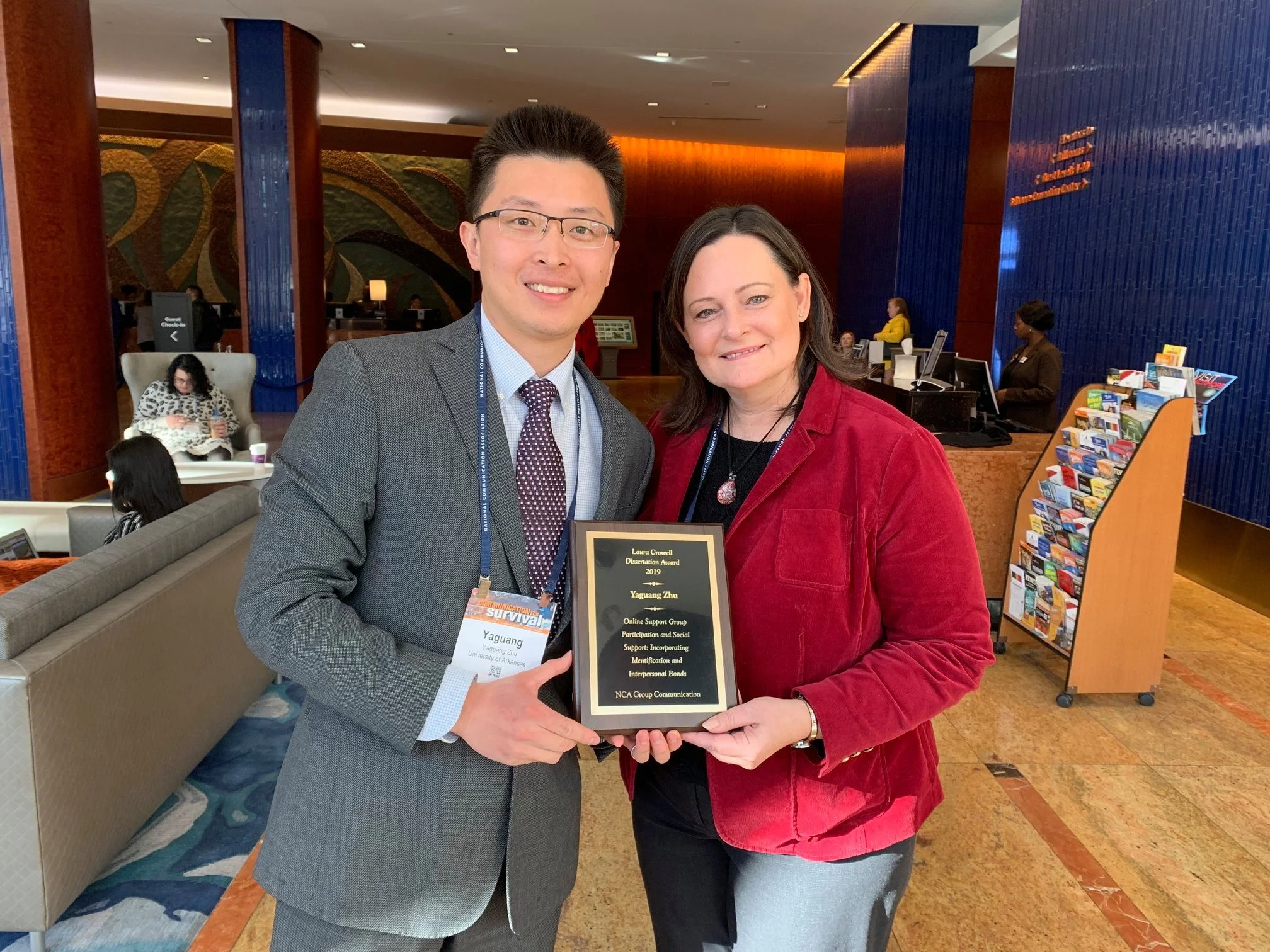
Dr. Zhu (Ph.D., University of Texas at Austin) is a published researcher with 35+ academic articles, including 29 peer-reviewed studies in top journals. His work focuses on how communication technologies shape work, decision-making, and everyday life—bridging theory with real-world impact.
-
Teach.
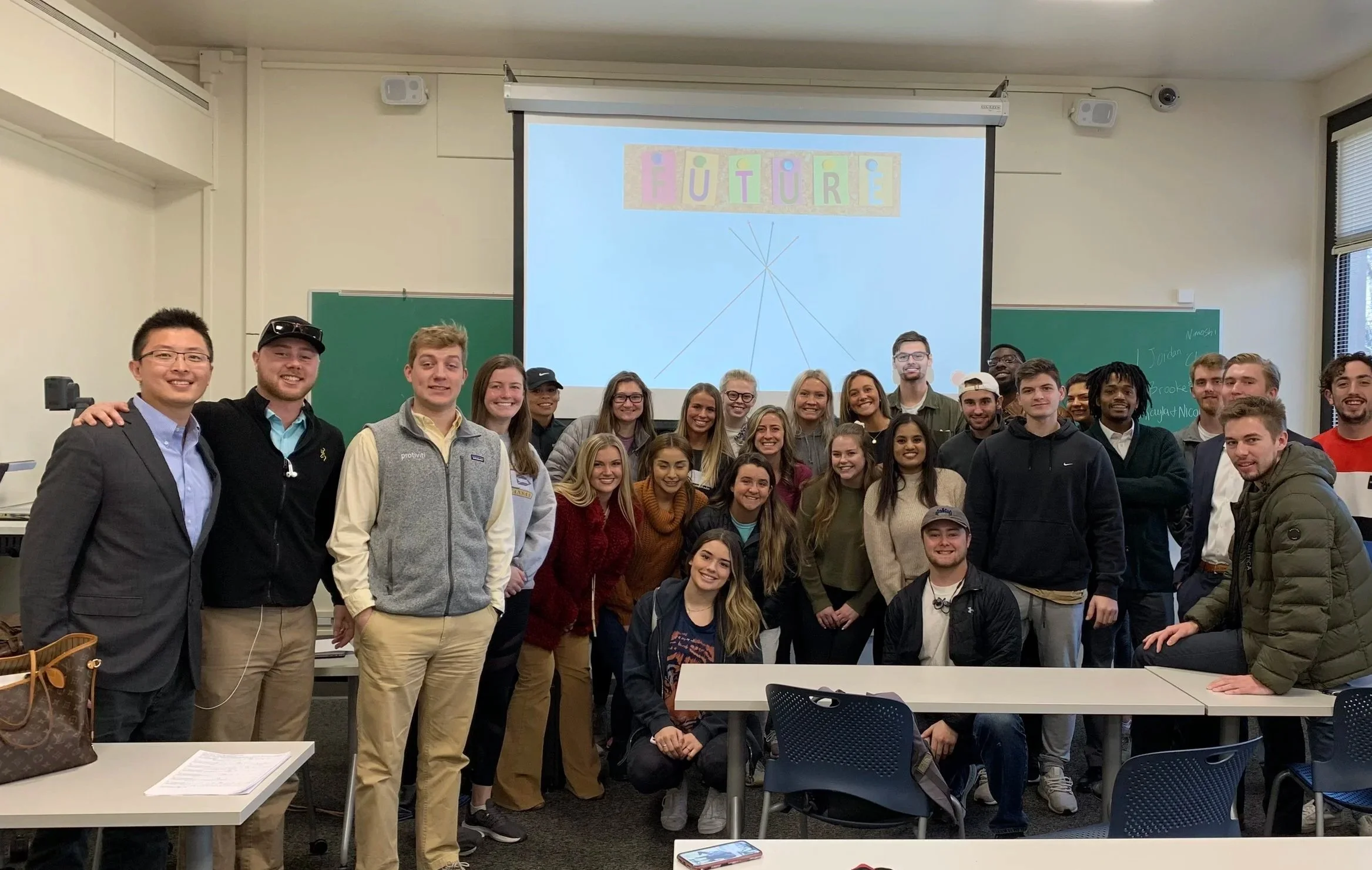
For seven years at R1 universities, Dr. Zhu was known for high-energy, practical courses students genuinely loved. He left academia after experiencing discrimination, a turning point that deepened his commitment to honest conversations about power, fairness, and how institutions actually function. His teaching continues to emphasize clear thinking and skills people can truly use beyond the classroom.
-
Build.
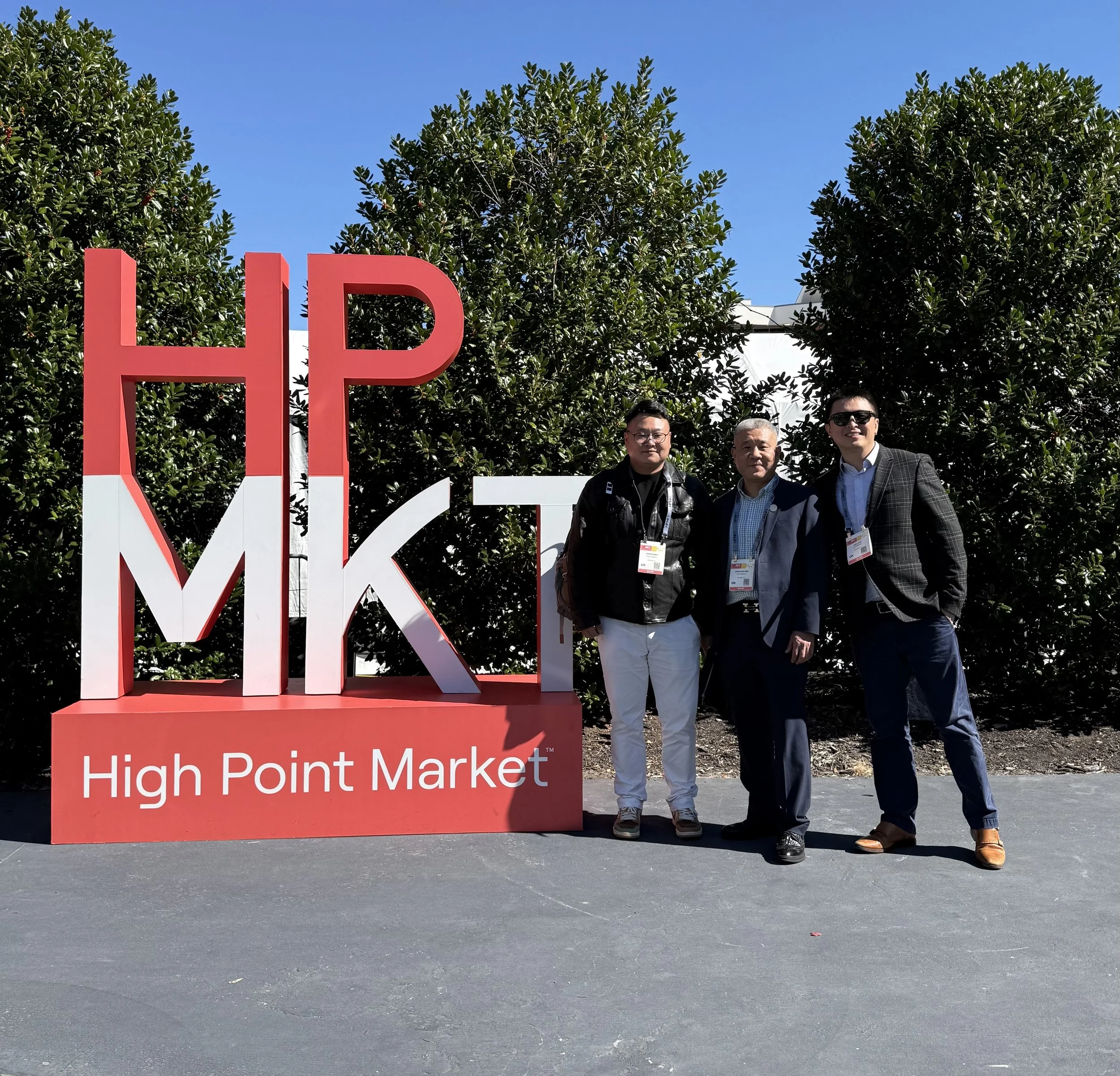
Dr. Zhu has built over 10 startups—most of them failed. He currently serves as CEO of LeatherSun, a genuine leather furniture manufacturer with factories in China and Vietnam, and as a Co-founder and Board Chair of BornBir, a maternal health and newborn care tech platform. He is also actively building an AI-driven logistics company. He openly shares lessons from both failure and success.
Scholarship & Contributions
Dr. Zhu did not leave academia because of a lack of passion for research, but because of a toxic and discriminatory environment that made sustained, ethical scholarship increasingly difficult (OU Daily, 2025). The decision to step away was not an exit from research—it was a refusal to normalize conditions that undermine people and ideas.
The curriculum vitae (CV) below offers a detailed record of his research contributions, with links to each publication for those who wish to explore the work more deeply. It reflects a continued commitment to asking hard questions about how work, technology, and communication shape our lives.
Teaching, ContinuedThis section shares Dr. Zhu’s teaching evaluations from Spring 2023 through Spring 2025, the period leading up to his resignation due to discrimination (OU Daily, 2025). They’re included intentionally—to offer a complete picture of the teaching experience, reflecting what worked, what didn’t, and everything in between.
Teaching remains central to Dr. Zhu’s life. Through “After the Syllabus”, he continues the conversations people valued most, dedicating weekly time to explore entrepreneurship, career growth, interviews, and financial freedom—outside the limits of traditional academic settings.
"You can't connect the dots looking forward; you can only connect them looking backwards. So you have to trust that the dots will somehow connect in your future" - Steve Jobs (2005)


Q&A with Dr. Zhu
-
“Family comes first—everything else is decided after that. I structure my time and priorities in a way that’s heavily influenced by Naval Ravikant’s thinking: focus on what truly matters, eliminate what doesn’t, and design life intentionally rather than reactively.”
-
“Not wanting something is as good as having it.” I love research and teaching, but the environment had become toxic enough that it wasn’t worth the cost. I didn’t need the paycheck or the job security, but I do miss my students deeply; teaching them was a privilege, and they constantly pushed me to think better and harder.”
-
“Everyone is different—we all start with different circumstances, memories, and strengths, so universal advice rarely works. That said, there are three things worth taking seriously early on: the work you choose to do, the person you choose to marry, and the place you choose to live. Those decisions compound more than almost anything else.”
-
“Most of the startups I’ve built didn’t work, and that’s been just as valuable as the ones that did. Failure teaches you how systems actually behave, not how they’re supposed to work. I share these lessons openly because understanding risk, power, and reality is important if you want to build anything lasting.”